Blog
Seed Quality Is Holding Back West African Farmers — Here's What's Being Done About It
Ask any agronomist what the single biggest lever for improving crop yields in West Africa is, and many will say the same thing: better seeds.
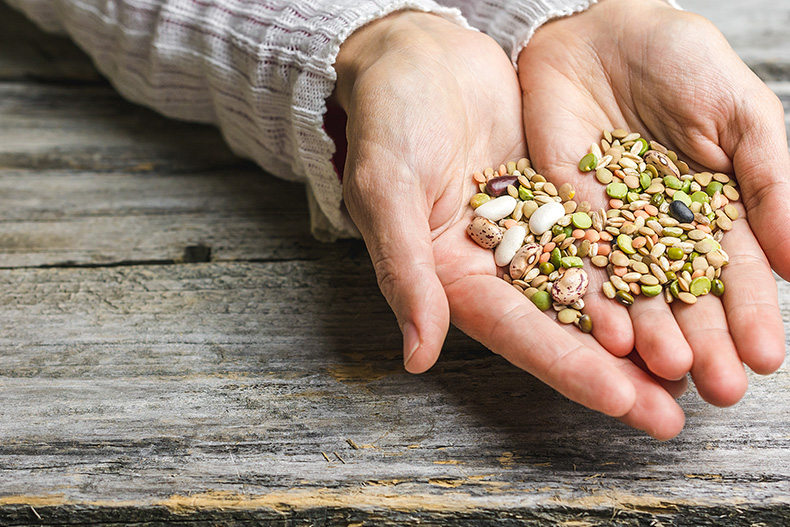
Despite significant advances in agricultural technology, a large proportion of smallholder farmers across Ghana, Nigeria, Ivory Coast, and Senegal still rely on saved or informal-market seeds — which offer unpredictable germination rates, low disease resistance, and poor yields.
The Seed Gap
Studies consistently show that access to certified, high-quality seeds can increase farm productivity by 20–40%. Yet distribution networks in rural West Africa remain weak, and cost remains a barrier for millions of vulnerable farmers.
Recent Steps Forward
The Ukrainian government's recent commitment to distribute five million seed packets to farmers in Ghana is one of the largest seed distribution initiatives in the region in recent years. It signals growing international attention to this foundational issue.
Domestically, Ghana's Feed Ghana Programme is pushing for greater investment in seed production, certification systems, and last-mile delivery to rural farmers. Similar initiatives are underway in Nigeria and Senegal.
Technology Is Helping
Digital platforms are now enabling farmers to order certified seeds directly, track availability, and access financing. Agri-input companies are partnering with mobile money providers to reduce the upfront cost burden on smallholders.
The Road Ahead
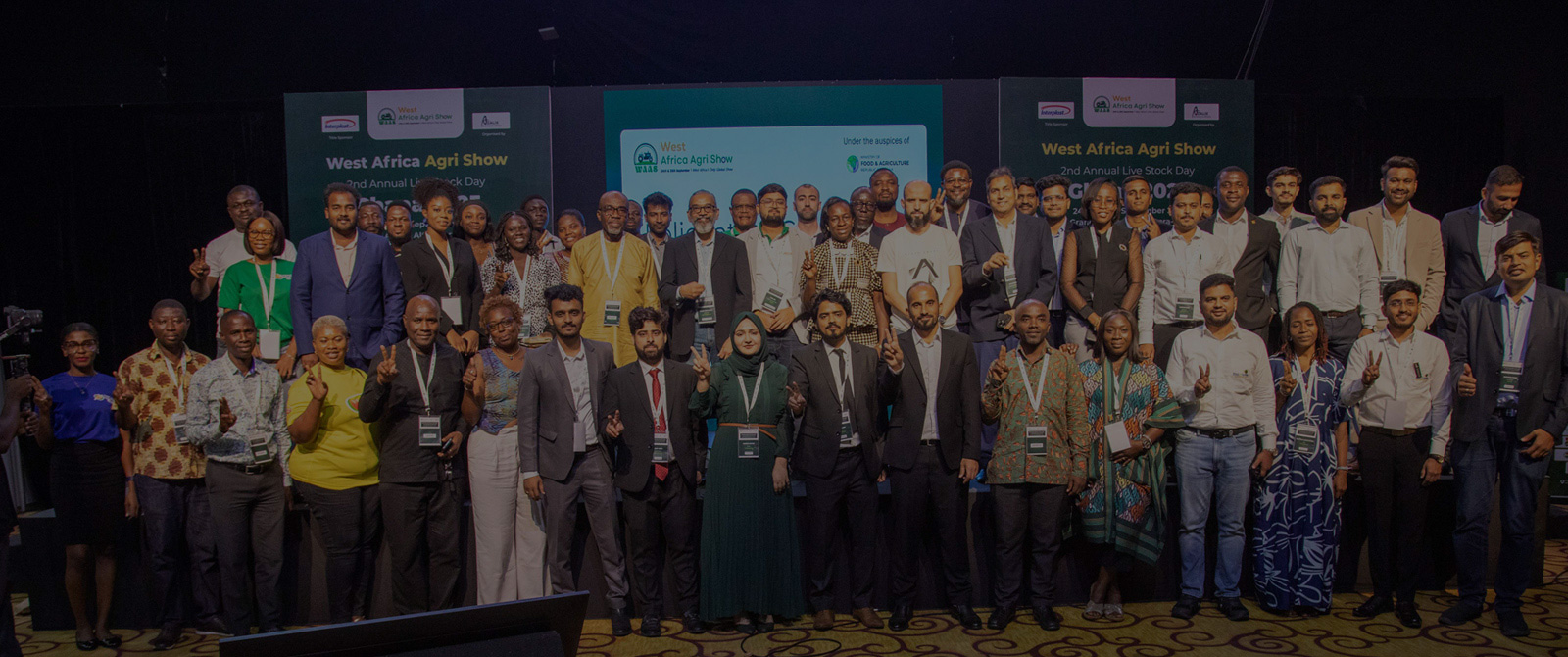
Solving the seed challenge requires cooperation between governments, agribusinesses, NGOs, and international partners. Platforms that bring these actors together — like agricultural trade shows and exhibitions — play a critical role in accelerating this collaboration.
Meet the seed companies, agri-input suppliers, and policymakers driving change at the 2nd West Africa Agri Show, Accra, September 2026.